.png)
.png)
.png)
.png)
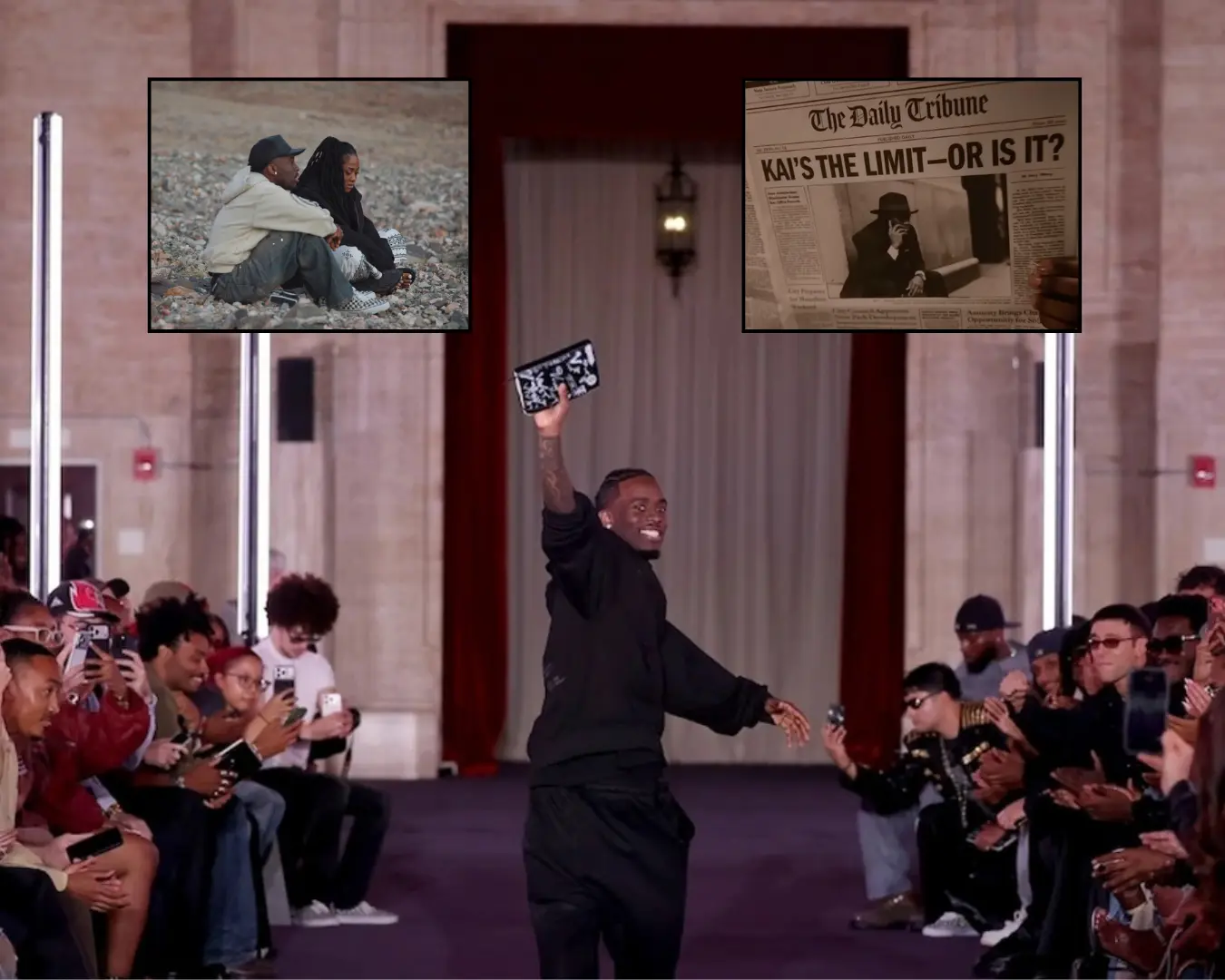
Eight months after dropping a YouTube video titled I Quit, Kai Cenat debuted his clothing brand VIVET at New York Fashion Week. But Kai wasn’t quitting streaming... he was quitting the idea that being known for one thing meant he had to stay in that lane.
I think the marketing behind this was very smart and intentional. Before dropping the video, Kai suddenly disappeared from Twitch, leaving fans wondering what he was doing. Then he came back with a video titled I Quit, when streaming is literally what everyone knows him for. Of course, people wanted to know what was going on.
It kind of reminded me of when Snoop Dogg made everyone think he was quitting smoking, only for it to turn out to be part of an ad campaign. When you’re known for something iconic, even hinting at moving on from it can bring a lot of attention. And Kai isn’t just known for streaming. He’s currently the most-followed active creator on Twitch and became the first creator on the platform to surpass 20 million followers. So even suggesting that he was quitting was enough to get people talking. He used what people already knew him for to get their attention, then redirected that attention toward something completely new.
Access Granted: Turning influence into opportunity
Streaming didn’t teach Kai how to design clothes, but the name he built for himself gave him access to people, places and resources that could. He traveled to Italy to learn about the craft and manufacturing, spent time designing in the studio and got advice from people at the top of the fashion industry, including Law Roach.
But what stood out to me was how he used that access. Kai was already at the top of streaming, but he never really seemed satisfied with just being there. Even with Mafiathon 2, he had Kim Kardashian star in a full-on trailer just to announce a Twitch stream. I remember seeing a comment under the video that said Kai “took streaming further than anyone ever has,” and that’s exactly how I felt watching it.
He seems to approach everything with this idea of, how can I take this even further? And I think he brought that same mindset into fashion.
With an audience as big as Kai’s, he probably could’ve put his name on some t-shirts, dropped them online and people would’ve bought them. Instead, he used the access he had to actually learn the industry, and he made that process part of the marketing. In his YouTube video, we saw him learn about manufacturing, design in the studio and get advice from people already established in fashion. He took his audience along while he figured it out. By the time VIVET debuted, we weren’t just seeing the final product. We had already seen the story behind it.
Beyoncé’s approach to Cécred is another example of this. At a certain level of success, there are plenty of people who have the access to enter a new industry or put their name behind a product. What differentiates it to me is the intention and story behind why they’re entering that space in the first place. Beyoncé connected Cécred back to growing up in her mom’s salon and her own relationship with hair throughout her life and career. It made the brand feel less like Beyoncé decided to sell hair products and more like there was a reason for her to be there.
I think Kai did something similar with VIVET. His influence gave him the opportunity to enter fashion, but the story behind how he got there is what made the pivot interesting to me. He didn’t just show us the new thing. He showed us why he wanted to be there and what it took to get there.
Access can get you into a new category. Storytelling gives people a reason to care that you’re there.
Full Circle: Turning the launch into a story
Kai even used the fashion show to show his growth throughout the process. His debut collection was designed in three acts: Origin, Exploration and Authorship, with each representing a different stage of his growth as a designer.
Origin started with some of his earliest and least refined work, including the Beginner Hoodie, the first VIVET piece Kai sewed himself. Exploration showed him experimenting with new materials and silhouettes, while Authorship represented him becoming more confident in his own point of view. Instead of just telling us how much he had learned over those eight months, he turned his progress into the actual fashion show.
That’s what makes the storytelling behind VIVET so interesting to me. We watched Kai go from figuring out fashion to presenting at New York Fashion Week, and then the collection itself walked us through that same journey. Even I Quit and Don’t Quit became bookends to a story that had been unfolding the entire time.
But I think what I took from Kai’s journey goes beyond the marketing. None of this required him to throw away what he was already known for. Streaming gave him the audience, access and opportunities to explore something completely different.
I think we put a lot of pressure on ourselves to have everything figured out before we start, when really, you can start somewhere, get good at it and completely pivot later. Starting something new doesn’t mean everything you built before it goes to waste. Sometimes, it’s exactly what gets you there.

.webp)