.png)
.png)
.png)
.png)
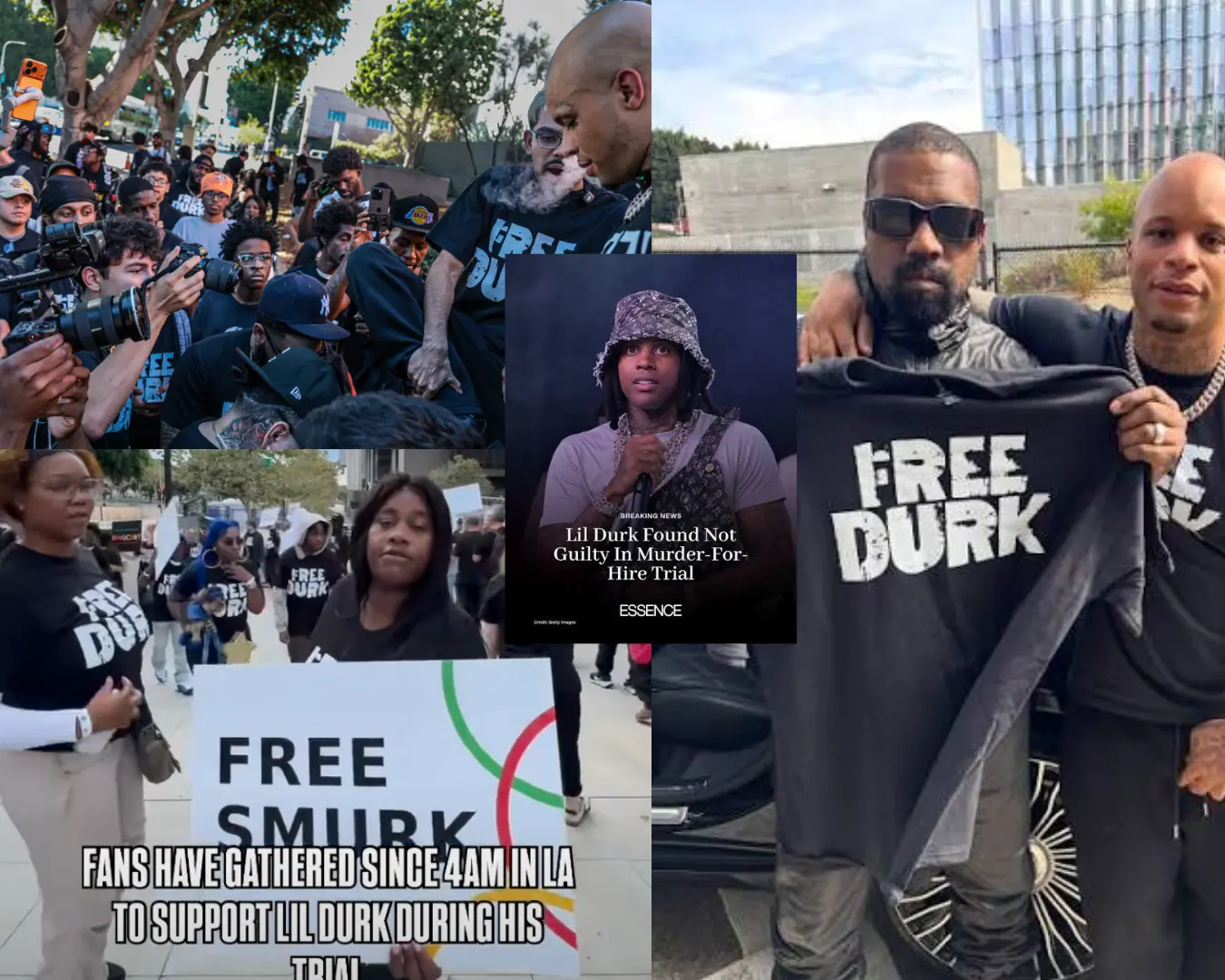
Chicago rapper Lil Durk went on trial in August 2026 for allegedly organizing a 2022 murder-for-hire and stalking plot in retaliation for the 2020 death of his close friend and fellow rapper, King Von. On September 11, the jury found him not guilty on all five federal counts. Durk rose to fame by turning the realities of growing up on Chicago’s South Side, including violence, loss and survival, into music that felt raw and honest.
The Trial Outside the Trial.
But the verdict was not what caught my attention. It was everything happening outside the courtroom. Fans waited hours to get inside, wore “Free Durk” shirts, blasted his music and celebrated his acquittal. Celebrities showed up, content creators livestreamed the case, and some supporters even threatened or confronted people they viewed as being against him. These fans were not casually following the trial. They were personally invested in Durk winning. Inside the courtroom, his guilt had to be proven. Outside, loyalty did not require proof.
Artist Loyalty.
That loyalty did not begin with the trial. Durk has spent years rapping about the life he comes from, including violence, revenge and the grief around losing people close to him. His music lets listeners into a world they may have never experienced themselves. Over time, that connection can make fans feel like they understand him and become personally invested in what happens to him.
I understand that connection because, while I cannot relate to his life directly, the anger and power in his music, and music similar to his, gives me my own sense of power I can apply to my life experiences. But feeling connected to an artist should not mean losing the ability to question them.
It reminds me that the strongest stories do more than attract an audience. They shape what people believe and who they choose to stand behind.