We’ve All Become Armchair Detectives

Jess Ligon
·
September 6, 2026
My Take on the Lindsay Clancy Trial and Forensic Fandom

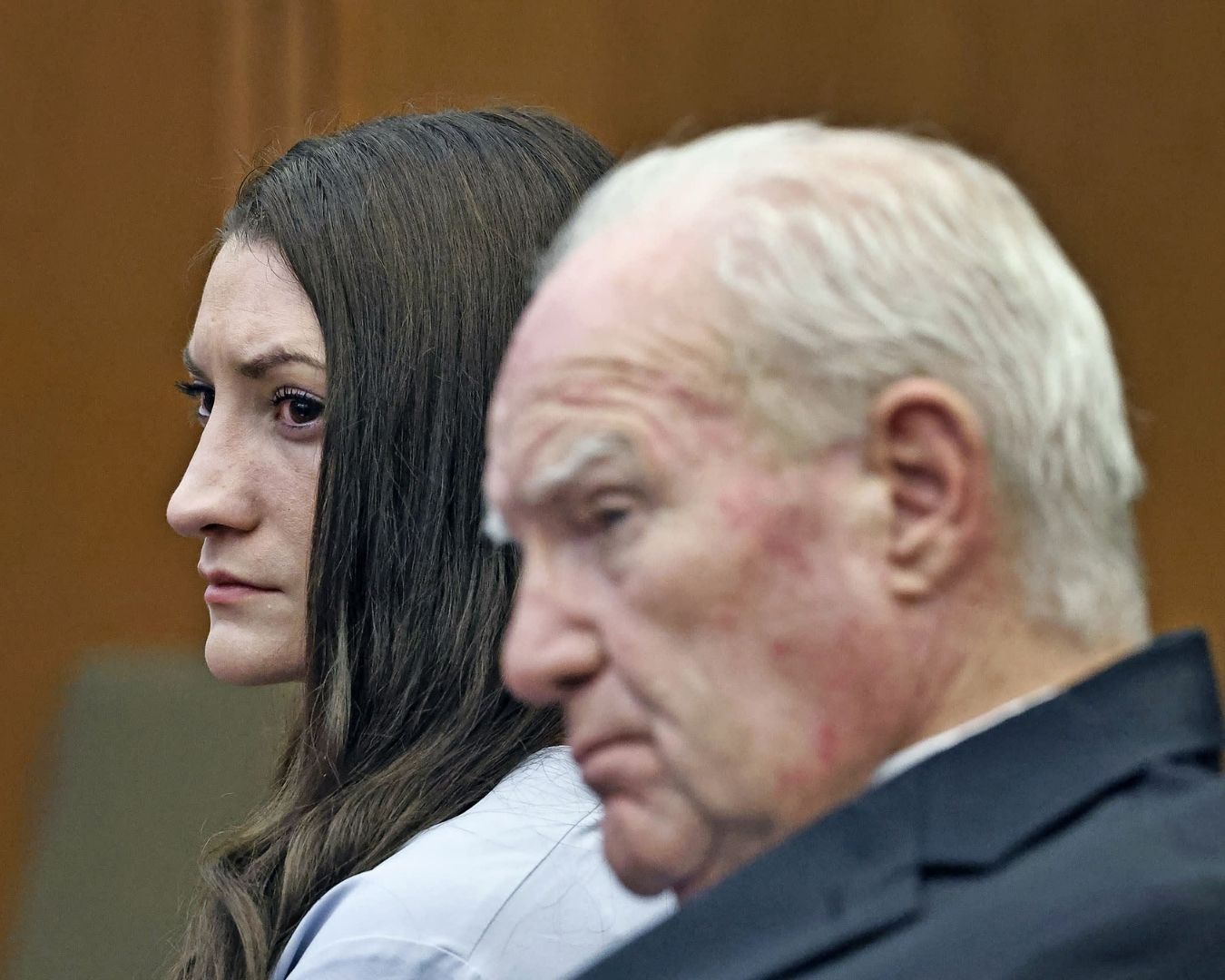
Lindsay Clancy, a Massachusetts mother, is accused of killing her three children in 2023 before attempting suicide. She admits to the killings, but her defense argues that severe postpartum psychosis and bipolar disorder made her not criminally responsible. Prosecutors argue she acted deliberately. This trial has been complex and fast-moving with new evidence being introduced and over 80 witnesses called to the stand. After five weeks of testimony and closing arguments, the trial is over, and the jury is now deliberating.

As the trial continued, it became more than a courtroom story. It became an internet story, too.

PEOPLE AREN’T JUST FOLLOWING THE TRIAL. THEY’RE DISSECTING IT.

TikTok creators analyze testimony and body language, while Reddit threads become rabbit holes of timelines, theories, and speculation. A TikTok poll asking who really killed the children drew nearly 130,000 votes, with 93% choosing Lindsay's husband. One influencer's theory about Lindsay's body temperature and the timeline of the killings received 13 million views and 1.3 million likes.

When everyday people become this deeply involved, it starts to feel like a kind of forensic fandom. Except the stakes are immeasurably higher than picking apart the finale of The White Lotus.

OUR FASCINATIONS WITH MURDER TRIALS ISN’T NEW.

O.J. didn't need TikTok to become a cultural obsession. What has changed is how easy it is to participate, supercharged by an algorithm that rewards the hottest takes and most surprising content. We review the restaurant, diagnose the relationship, and dissect a celebrity breakup on TikTok. So when a murder trial enters that same ecosystem, those instincts naturally follow. But it forces an uncomfortable question: where is the line? At what point does analyzing complex human tragedy cross from seeking understanding into treating real-life horror like just another viral celebrity breakup?

Underneath the internet noise, there is also a deeply personal layer. It touches on terrifying realities around postpartum depression (PPD) and postpartum psychosis (PPP), topics many people hold deep fears, anxieties, or personal experiences around. 

Human beings struggle with ambiguity, especially when high-stakes medical science meets unthinkable tragedy. Who did it? If Lindsay did do it, is she criminally responsible? Does the timeline and evidence add up? When a story feels horrifying or unexplainable, our instinct is to seek control by filling in the gaps. 

The internet gives that coping mechanism a platform. People build timelines, debate medical diagnoses, and analyze body language on TikTok not just to be "right," but to make sense of the unthinkable. Armchair sleuthing is often a collective attempt to turn overwhelming emotion and complex data into a narrative we can digest.

AS HUMAN BEINGS, WE DON’T LIKE AMBIGUITY.

When there's a complicated story with unanswered questions, we naturally start looking for patterns, filling in gaps, and trying to make sense of it. 

Honestly, I relate to that on a personal level. I struggle with ambiguity myself, which is probably why I chose to become a strategist in the first place: to step into messy, uncertain situations, organize the chaos, and make sense of things. 

The internet just gives that very normal human instinct somewhere to go. We're not satisfied just knowing what happened. We want to figure it out ourselves.

WHERE FACT MEETS FEELING.

As a strategist, my focus is always on understanding people and what truly drives their behavior. People aren't participating just because a comment section exists. They want to feel informed, validated, curious, or like they caught a detail everyone else missed. At its core, engaging is a way to feel grounded, safe, and connected when navigating intense uncertainty.

To me, strategy sits right at that intersection of science, psychology, and raw human emotion. Understanding how humans process complex truths, filter science through emotion, and build narratives to make sense of their world is where great strategy begins.

About

We’ve All Become Armchair Detectives

Jess Ligon
·
September 6, 2026

My Take on the Lindsay Clancy Trial and Forensic Fandom

Lindsay Clancy, a Massachusetts mother, is accused of killing her three children in 2023 before attempting suicide. She admits to the killings, but her defense argues that severe postpartum psychosis and bipolar disorder made her not criminally responsible. Prosecutors argue she acted deliberately. This trial has been complex and fast-moving with new evidence being introduced and over 80 witnesses called to the stand. After five weeks of testimony and closing arguments, the trial is over, and the jury is now deliberating.

As the trial continued, it became more than a courtroom story. It became an internet story, too.

PEOPLE AREN’T JUST FOLLOWING THE TRIAL. THEY’RE DISSECTING IT.

TikTok creators analyze testimony and body language, while Reddit threads become rabbit holes of timelines, theories, and speculation. A TikTok poll asking who really killed the children drew nearly 130,000 votes, with 93% choosing Lindsay's husband. One influencer's theory about Lindsay's body temperature and the timeline of the killings received 13 million views and 1.3 million likes.

When everyday people become this deeply involved, it starts to feel like a kind of forensic fandom. Except the stakes are immeasurably higher than picking apart the finale of The White Lotus.

OUR FASCINATIONS WITH MURDER TRIALS ISN’T NEW.

O.J. didn't need TikTok to become a cultural obsession. What has changed is how easy it is to participate, supercharged by an algorithm that rewards the hottest takes and most surprising content. We review the restaurant, diagnose the relationship, and dissect a celebrity breakup on TikTok. So when a murder trial enters that same ecosystem, those instincts naturally follow. But it forces an uncomfortable question: where is the line? At what point does analyzing complex human tragedy cross from seeking understanding into treating real-life horror like just another viral celebrity breakup?

Underneath the internet noise, there is also a deeply personal layer. It touches on terrifying realities around postpartum depression (PPD) and postpartum psychosis (PPP), topics many people hold deep fears, anxieties, or personal experiences around. 

Human beings struggle with ambiguity, especially when high-stakes medical science meets unthinkable tragedy. Who did it? If Lindsay did do it, is she criminally responsible? Does the timeline and evidence add up? When a story feels horrifying or unexplainable, our instinct is to seek control by filling in the gaps. 

The internet gives that coping mechanism a platform. People build timelines, debate medical diagnoses, and analyze body language on TikTok not just to be "right," but to make sense of the unthinkable. Armchair sleuthing is often a collective attempt to turn overwhelming emotion and complex data into a narrative we can digest.

AS HUMAN BEINGS, WE DON’T LIKE AMBIGUITY.

When there's a complicated story with unanswered questions, we naturally start looking for patterns, filling in gaps, and trying to make sense of it. 

Honestly, I relate to that on a personal level. I struggle with ambiguity myself, which is probably why I chose to become a strategist in the first place: to step into messy, uncertain situations, organize the chaos, and make sense of things. 

The internet just gives that very normal human instinct somewhere to go. We're not satisfied just knowing what happened. We want to figure it out ourselves.

WHERE FACT MEETS FEELING.

As a strategist, my focus is always on understanding people and what truly drives their behavior. People aren't participating just because a comment section exists. They want to feel informed, validated, curious, or like they caught a detail everyone else missed. At its core, engaging is a way to feel grounded, safe, and connected when navigating intense uncertainty.

To me, strategy sits right at that intersection of science, psychology, and raw human emotion. Understanding how humans process complex truths, filter science through emotion, and build narratives to make sense of their world is where great strategy begins.

See More by

Jess Ligon