


Spy Kids Was Never About the Gadgets

Keeping a family together is the real mission.
Jack Nguyen
·
October 29, 2026

The movie was doing a lot.

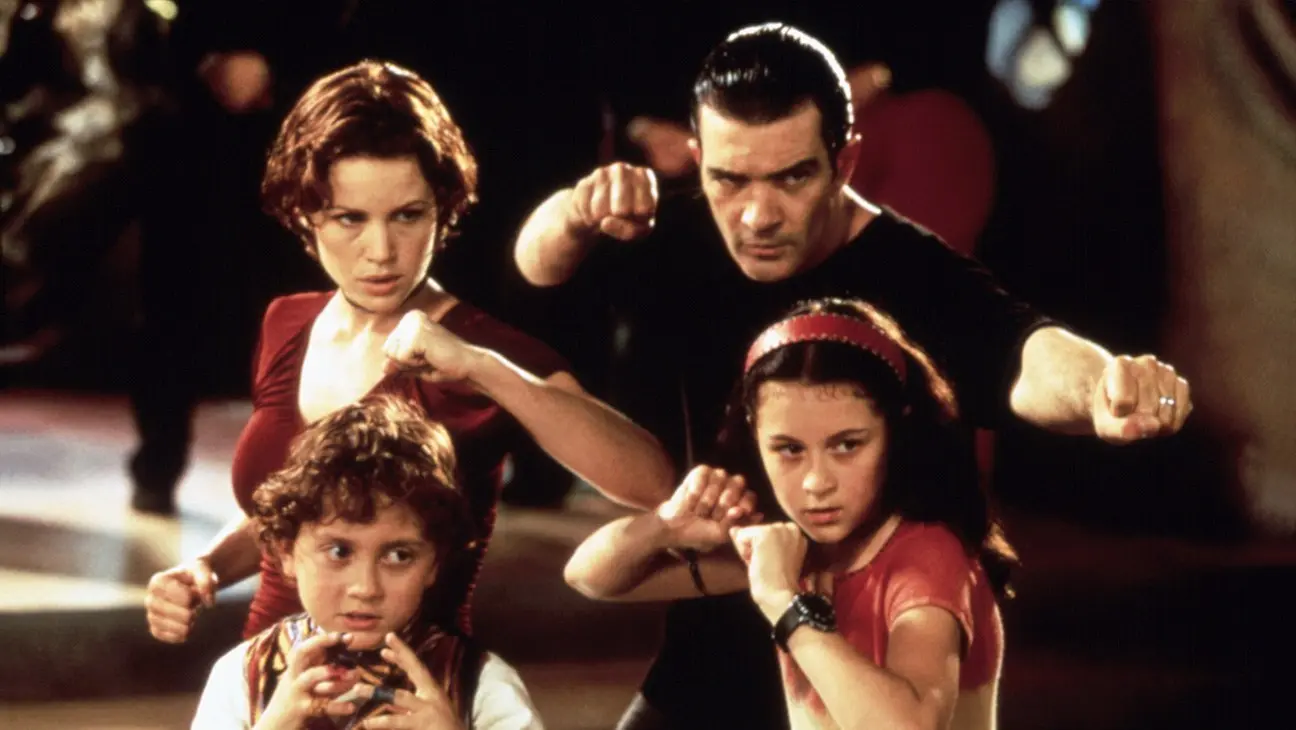
Rewatching Robert Rodriguez’s Spy Kids for the first time since childhood, I’m charmed all over again. Weaponized chewing gum. A gay villain. Utilitarian spy fashion. A cunty mom and a hot Mexican daddy. Sign me up!

However, to me, Spy Kids is really about kids discovering their parents have entire lives they can’t see, and deciding that family is the ultimate mission anyway. The gadgets are then just comic texture. Floop’s virtual world feels eerily current in an era of algorithmic rabbit holes and AI-generated everything. Its weirdness was there to visualize a kid-sized fear: your parents could disappear into a world you don’t understand.

As the child of newly immigrated parents, that hit me. Were my parents lowkey secret agents too? How much of their lives existed beyond what I could see? The Cortez kids learn their parents have identities outside parenthood. In parallel, the adjustments and challenges my parents maneuver every day must be impossible to imagine, too. Spy Kids makes that literal (mom and dad are spies) but the emotional truth is very ordinary.

Rodriguez also refuses to turn Latino identity into a lesson.

The family just happens to be Latino: calaveras as cake toppers, adobe houses, a guitar-driven score, tíos who aren’t actually uncles, characters named after his own family, including Uncle Gregorio—played by Antonio Banderas—who was based on a real FBI agent relative. Getting the studio to sign off was its own fight, one Rodriguez won with: “You don’t have to be British to enjoy James Bond.” (@proximitymedia)
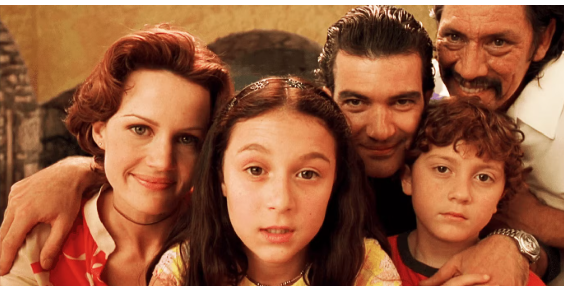
The future may be weird, the technology may be terrifying, and your parents may or may not have a secret lair. But spy work is the easy part. Keeping a family together is the real mission. As the film puts it: “From now on whatever we do we do together.”

‍

Spy Kids Was Never About the Gadgets

Jack Nguyen
·
November 5, 2026

Keeping a family together is the real mission.

The movie was doing a lot.

Rewatching Robert Rodriguez’s Spy Kids for the first time since childhood, I’m charmed all over again. Weaponized chewing gum. A gay villain. Utilitarian spy fashion. A cunty mom and a hot Mexican daddy. Sign me up!

However, to me, Spy Kids is really about kids discovering their parents have entire lives they can’t see, and deciding that family is the ultimate mission anyway. The gadgets are then just comic texture. Floop’s virtual world feels eerily current in an era of algorithmic rabbit holes and AI-generated everything. Its weirdness was there to visualize a kid-sized fear: your parents could disappear into a world you don’t understand.

As the child of newly immigrated parents, that hit me. Were my parents lowkey secret agents too? How much of their lives existed beyond what I could see? The Cortez kids learn their parents have identities outside parenthood. In parallel, the adjustments and challenges my parents maneuver every day must be impossible to imagine, too. Spy Kids makes that literal (mom and dad are spies) but the emotional truth is very ordinary.

Rodriguez also refuses to turn Latino identity into a lesson.

The family just happens to be Latino: calaveras as cake toppers, adobe houses, a guitar-driven score, tíos who aren’t actually uncles, characters named after his own family, including Uncle Gregorio—played by Antonio Banderas—who was based on a real FBI agent relative. Getting the studio to sign off was its own fight, one Rodriguez won with: “You don’t have to be British to enjoy James Bond.” (@proximitymedia)

The future may be weird, the technology may be terrifying, and your parents may or may not have a secret lair. But spy work is the easy part. Keeping a family together is the real mission. As the film puts it: “From now on whatever we do we do together.”

‍

See More by

Jack Nguyen

→