When Risk Outweighs Reach

What happens when influencers cause more trouble than they’re worth?
Cliff Maske
·
September 17, 2026

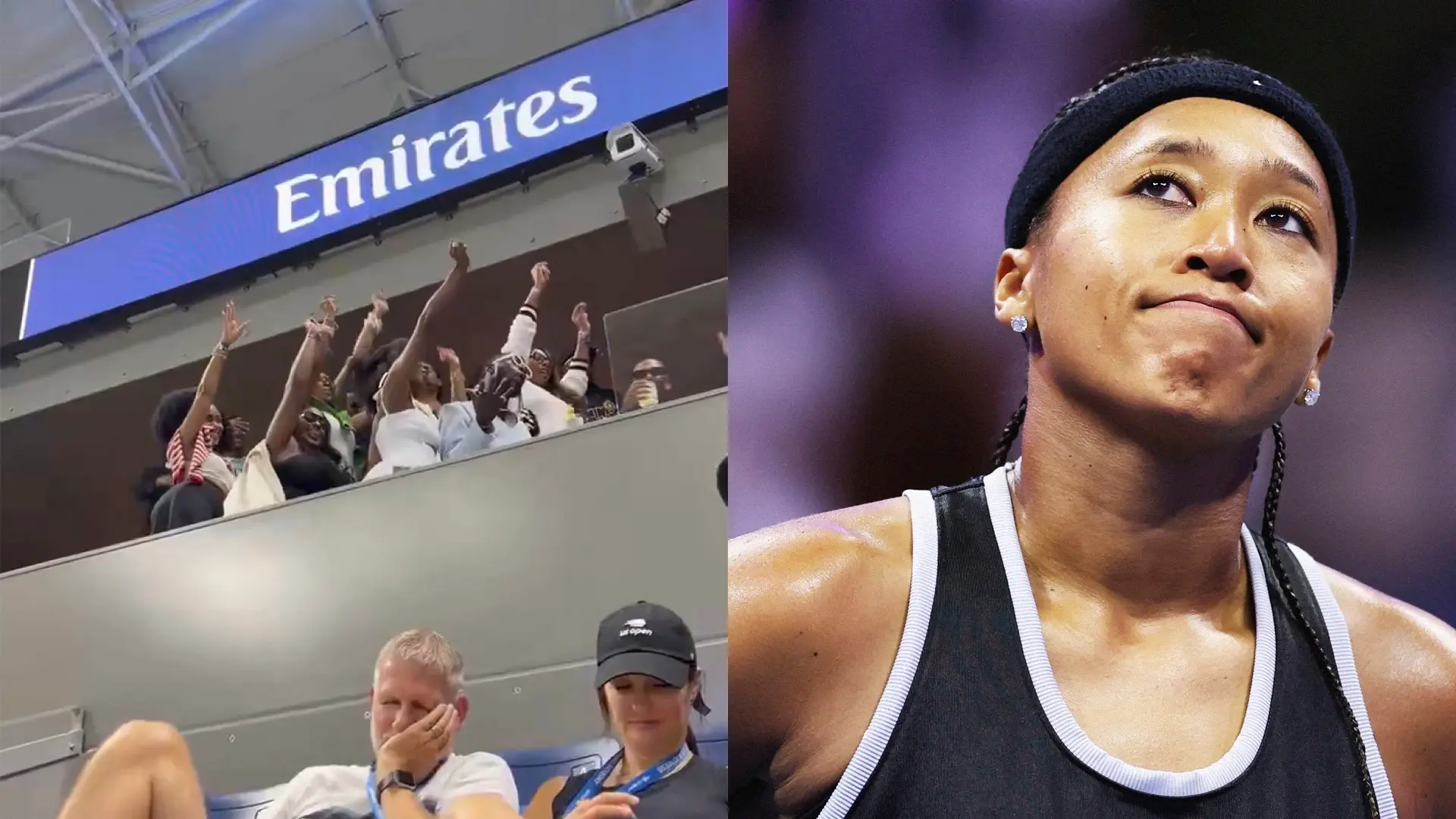
The lights of Arthur Ashe Stadium shine bright during the US Open, but this year they seemed a little extra. Scattered throughout the crowd and highlighted by an official on mic during Naomi Osaka vs. Anastasia Zakharova, ring lights shine on the faces of influencers and in the eyes of players and spectators.

That One's Not Mine

To boost reach, the United States Tennis Association (USTA) doubled the number of credentials given to influencers this year, raising the number from 54 to roughly 100. Interestingly, none of the creators involved in the disturbance were credentialed by the USTA. Still, I would argue that doesn't matter. 

‍

The USTA has been clear that they are working hard to grow the sport and get it in front of young new eyes, and have also acknowledged that influencer credentialing is part of that goal. So, unfortunately, they have to wear this controversy too.

Fatigue is Starting to Set In

Whether it's as serious as a callout on Center Court or tongue-in-cheek like the "No Influencers" sign at the antique store in Nantucket, it's clear influencer fatigue is slowly creeping into the public mind. Maybe we prefer the finished product on our phones over seeing the process in real time. 

‍

Being stopped on the street by a zoomer with a tiny mic is already inconvenient, but what about when someone ruins a rare, special experience? Fans have long complained about the price of the US Open (it's not going down either), but when you finally make it and someone brought in for free takes over your experience, that creates real, negative brand associations. This is clearly a matter of concern for experience-based brands, as Wimbledon already said they would not be credentialing influencers for their tournament in 2027.

How They Show Up Is How You Show Up

Obviously, this isn't the end of the creator economy. They're ingrained in our social feeds and everyday lives, and they still retain real value for brands. However, it raises an interesting question: what should brands expect from the creators they bring into the fold? How they show up is how you show up. The last thing any brand needs is a spectacle, especially when their name is boldly attached. Brands should aggressively vet the people they welcome into their universe to avoid mess-ups like this in the future.

Looking Forward

Going forward, I'll be paying close attention to the influencer space, because I think we're in the midst of a crazy boom. There's no shortage of them now, and we certainly won't be seeing any less. As the numbers rise, brands will feel obligated to bring more and more of them in. The thing is, volume isn't a strategy. The brands that win this moment won't just welcome anyone with a ring light and 20k followers; they'll take a focused approach to who they welcome and why, and make sure they know the rules of the space they're entering.
When Risk Outweighs Reach

Cliff Maske
·
October 4, 2026

What happens when influencers cause more trouble than they’re worth?

Ring Lights and Honey Deuces at the US Open

The lights of Arthur Ashe Stadium shine bright during the US Open, but this year they seemed a little extra. Scattered throughout the crowd and highlighted by an official on mic during Naomi Osaka vs. Anastasia Zakharova, ring lights shine on the faces of influencers and in the eyes of players and spectators.

That One's Not Mine

To boost reach, the United States Tennis Association (USTA) doubled the number of credentials given to influencers this year, raising the number from 54 to roughly 100. Interestingly, none of the creators involved in the disturbance were credentialed by the USTA. Still, I would argue that doesn't matter. 

‍

The USTA has been clear that they are working hard to grow the sport and get it in front of young new eyes, and have also acknowledged that influencer credentialing is part of that goal. So, unfortunately, they have to wear this controversy too.

Fatigue is Starting to Set In

Whether it's as serious as a callout on Center Court or tongue-in-cheek like the "No Influencers" sign at the antique store in Nantucket, it's clear influencer fatigue is slowly creeping into the public mind. Maybe we prefer the finished product on our phones over seeing the process in real time. 

‍

Being stopped on the street by a zoomer with a tiny mic is already inconvenient, but what about when someone ruins a rare, special experience? Fans have long complained about the price of the US Open (it's not going down either), but when you finally make it and someone brought in for free takes over your experience, that creates real, negative brand associations. This is clearly a matter of concern for experience-based brands, as Wimbledon already said they would not be credentialing influencers for their tournament in 2027.

How They Show Up Is How You Show Up

Obviously, this isn't the end of the creator economy. They're ingrained in our social feeds and everyday lives, and they still retain real value for brands. However, it raises an interesting question: what should brands expect from the creators they bring into the fold? How they show up is how you show up. The last thing any brand needs is a spectacle, especially when their name is boldly attached. Brands should aggressively vet the people they welcome into their universe to avoid mess-ups like this in the future.

Looking Forward

Going forward, I'll be paying close attention to the influencer space, because I think we're in the midst of a crazy boom. There's no shortage of them now, and we certainly won't be seeing any less. As the numbers rise, brands will feel obligated to bring more and more of them in. The thing is, volume isn't a strategy. The brands that win this moment won't just welcome anyone with a ring light and 20k followers; they'll take a focused approach to who they welcome and why, and make sure they know the rules of the space they're entering.
See More by

Cliff Maske

→