.png)
.png)
.png)
.png)
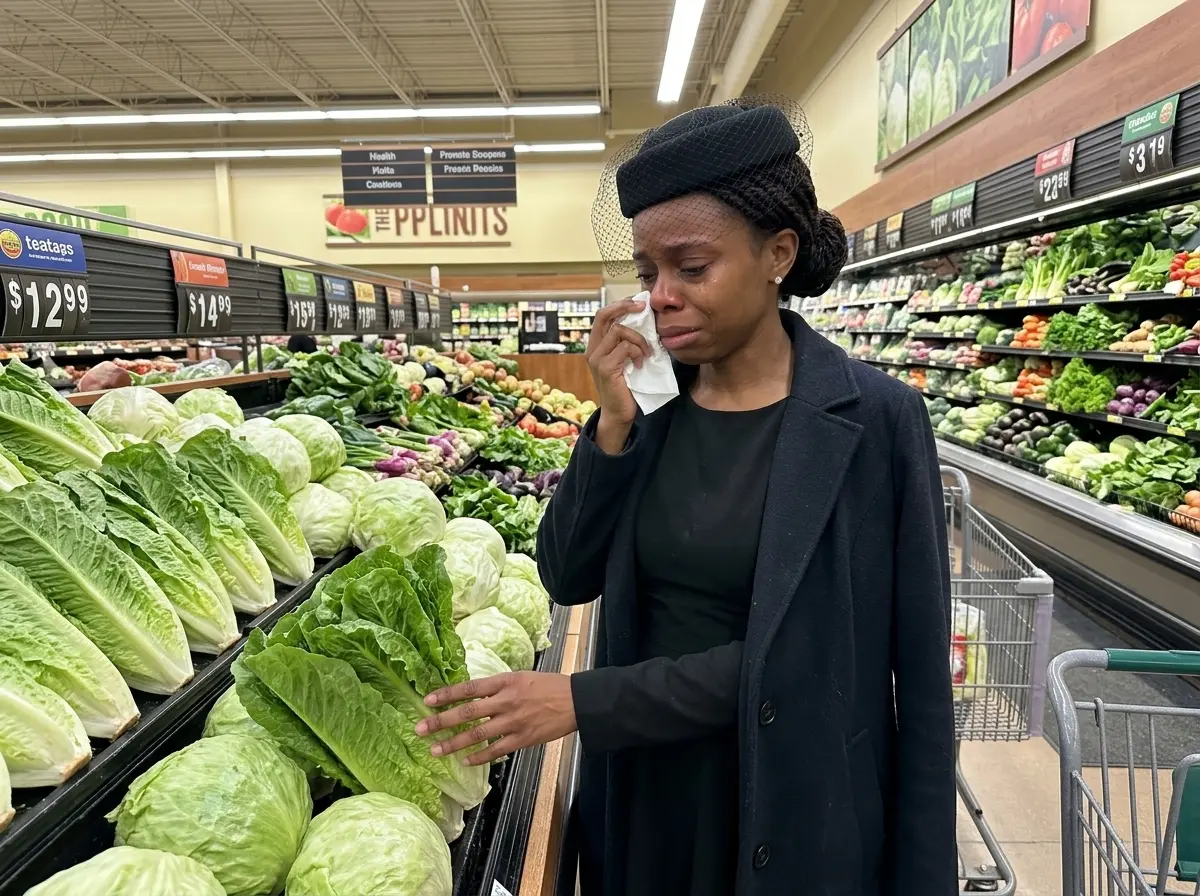
Lettuce was everyone’s long lost lover this summer I guess and not because salads suddenly got hot, but because a serious Cyclospora outbreak linked to iceberg lettuce had people trying to figure out what the hell they could safely eat. Lettuce was recalled, restaurants were changing what they served and people were online asking when they could finally eat it again. You could cook your greens, find lettuce outside of the affected supply or just eat something else, but when the risk was this high, despite the jokes about this being an opportunity for a cheap GLP-1, nobody wanted to be the person testing their luck over a Caesar salad. Or at least, that's what we thought?
The outbreak ended up being much bigger than a bad batch of lettuce jokes. The CDC ultimately linked 12,883 illnesses, 570 hospitalizations and two deaths across 21 states to the outbreak, making the lettuce recall a serious public health issue rather than just a temporary inconvenience.
What caught my attention wasn't that people were avoiding lettuce. Obviously, don't eat the thing that might make you sick. It was how quickly something so ordinary became something people were thinking about. People were asking if lettuce was safe, talking about missing salads, despite not giving the produce a thought for months, and trying to figure out when they could have one again. The lettuce didn't suddenly get better. We just couldn't casually have it anymore.
DON’T TELL ME I CAN’T HAVE IT
We tend to think we know what we want, but a lot of what we want is shaped by what feels available to us. When something is always there, we rarely have to think about it. It’s just part of the background of our lives. Take it away, even temporarily, and suddenly we’re paying attention.
That’s what makes this behavior interesting to me. The restriction itself can change how we perceive something, even when the thing hasn’t changed at all.
Nobody was walking around thinking, “You know what I really need right now? A pile of iceberg lettuce.” Then people couldn’t trust the lettuce sitting in the grocery store, and suddenly they were talking about salads constantly. The restriction didn’t create a love for salad. It made people notice the access they had been taking for granted.
We’ve all had some version of this happen. Something disappears, becomes harder to get or suddenly isn’t an option anymore, and our relationship with it changes. Sometimes we realize we actually cared about it. Sometimes we want it specifically because we’re being told we can’t have it. Sometimes we don’t even want the thing until somebody takes it away.
ABSENCE MAKES THE HEART GROW FONDER
Think about the things you only really appreciate when you’re away from home. For me, it’s a hibachi restaurant in Cleveland that’s about 10 minutes from my childhood home. When I lived there full time, it was easy to take it for granted. When I’m in Richmond, suddenly I’m itching for fried rice that can come close, and when I go visit home, I’m making multiple trips and bringing a to-go plate back with me regardless of how long I'm staying (no shame).
I had access to it the entire time. That was exactly why I didn’t think much about it.
There’s a difference between something becoming desirable because it is unavailable and something becoming noticeable because it is unavailable. The latter is less about wanting what we can’t have and more about realizing what we had.
That distinction matters because scarcity doesn’t always manufacture demand. Sometimes it just exposes how much soft demand was already there.
SEARCHING HIGH AND LOW
Think about the random foods from childhood that you haven’t thought about in years, until somebody posts a TikTok asking why they don’t make them anymore. Suddenly, you’re in the comments reminiscing about Scooby-Doo fruit snacks, arguing over which color was the best, or wondering what happened to that specific Kool-Aid flavor you used to drink. I can’t even tell you the last time I thought about those frosted animal cookies in the blue bag, but now that I’ve brought them up, I kind of want some.
Somewhere along the way, that absence turned an ordinary product into a memory worth revisiting.
The same thing happens with places. TGI Fridays and Friendly’s are not just restaurants people are talking about because they miss the food. Their closures have people pulling out old memories of birthday dinners, after-school trips and the specific things they used to order. Some of these people hadn't been regular customers in years. The loss gave them a reason to think about what they had stopped making time for.
Maybe that’s why “bring it back” culture is so powerful. Sometimes people aren't really asking for the product itself. They’re asking for the feeling of having access to something they thought would always be there.
THE ALTERNATIVE JUST ISN’T ENOUGH
I still have a Morphe Glamabronze sitting in my makeup collection, and I am genuinely afraid to hit pan. That bronzer has been discontinued for years, and while Morphe has plenty of bronzers now, none of them are that bronzer though. I haven’t found anything that gives me quite the same color or finish, so until I find something that does, I’m holding onto what I have like it’s a family heirloom. At this rate, I may be buried with it.
The same thing happened with my Sephora Collection Rouge Gel Lip Liner in Molasses. I had used it for years, then Sephora reformulated the line and changed the formula. I tried finding a replacement. I really did. The current version is technically the same shade, but it doesn’t feel or wear the same way, and I’m still rationing the old ones I bought before they disappeared.
That’s a different kind of scarcity. It’s that the replacement exists, but it just doesn’t hit the same.
Brands often treat alternatives as interchangeable because, technically, they serve the same function. Consumers don’t always see it that way. When the alternative doesn’t measure up, losing access can make the original feel even more valuable.
WHAT ARE BRANDS SUPPOSED TO DO WITH THIS?
The takeaway isn’t to make your product harder to get. Please don’t take away the lettuce again, I need to have a cobb salad in 3 months!
The more interesting opportunity is to pay attention to what changes when people lose access. What do they suddenly miss? What are they searching for? What alternatives are they rejecting? What did they never realize they valued until it wasn’t guaranteed anymore?
For brands, that can be useful information. A discontinued product can reveal what made it special. A reformulation can show which details consumers actually cared about. A closed location can expose the role a place played in people’s routines. Even a lettuce recall can show us how quickly an ordinary product can become top of mind when people aren't sure they can have it.
That’s what I keep coming back to. We spend a lot of time asking people what they want, but sometimes their behavior tells us more when they can’t have what they want. The things people miss and refuse to replace can tell us what actually matters to them.