


Fall has me in a chokehold.
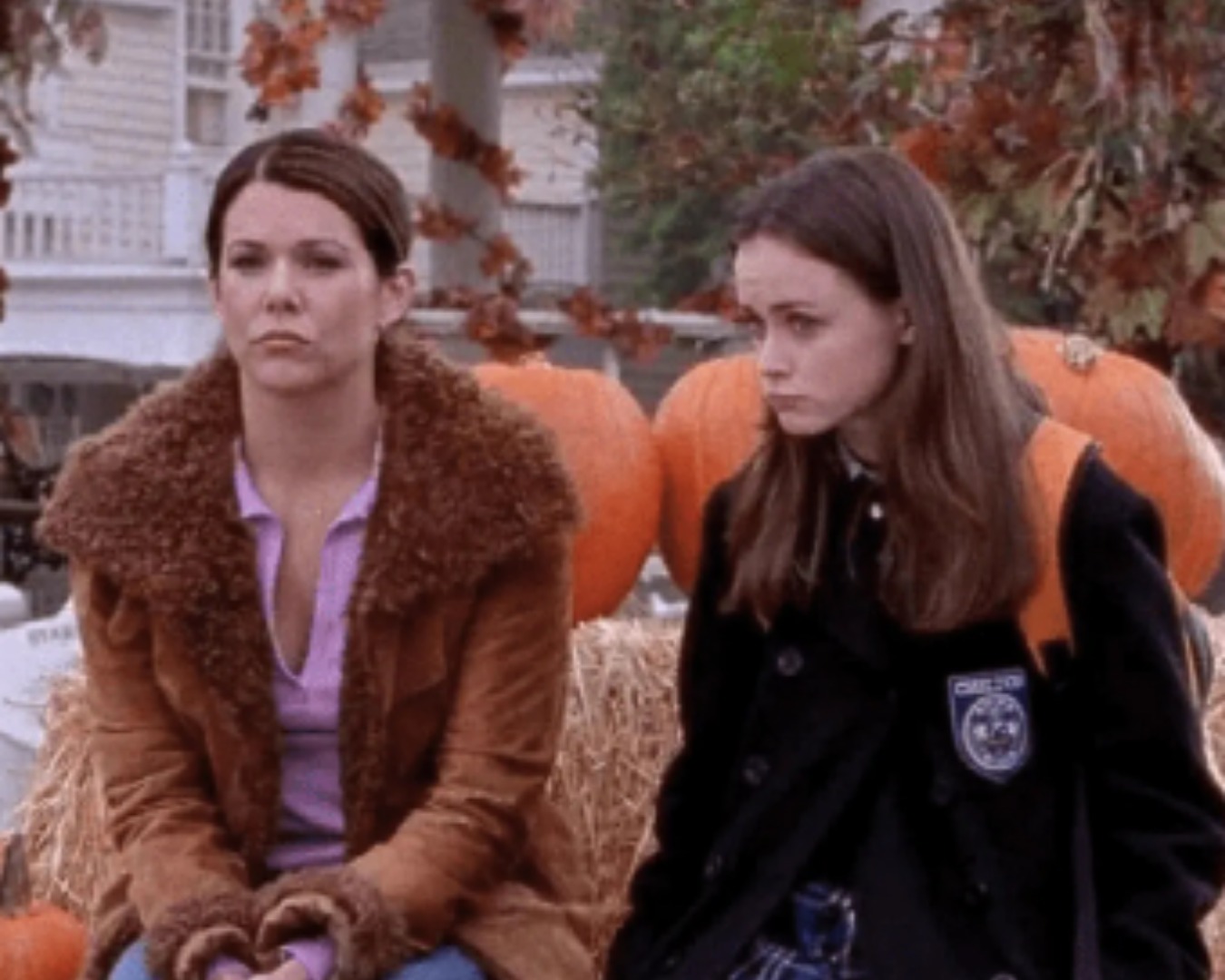
I bought grocery store pumpkins for my apartment. I’ve smelled an unreasonable number of Anthropologie candles, eventually landing on Honeycrisp & Oakwood, ironically, the exact same one I bought this time last year. I’m on the fifth Harry Potter. And I’m bouncing between Gilmore Girls and The Vampire Diaries. Apparently, my ideal state of “locking in” is having a fictional small town playing in the background at all times.
Fall is a season of unavoidable change. The leaves turn in color. The air turns crispier. Days shorten. Schedules tighten. Routines reset. Even when nothing major is happening, fall makes change feel visible.
When the world around us starts shifting, familiarity gives us emotional grounding. It offers comfort, anchors our sense of continuity, and gives our brains a break when everything else is demanding adjustment.
Maybe that’s why I start reaching for things I already know. The same candle. The same movies. The same shows where I can already tell you what happens in the next episode. Familiarity just hits different when the rest of the world is asking you to change.
“FALL IS NOSTALGIC.”
Sure. But as a strategist, I am sick and tired of the lazy "nostalgia” sticker.
Recently, every time a brand wants something to be emotional or culturally relevant, suddenly it’s “nostalgia.” But nostalgia is not a creative strategy. It’s not a magic word that automatically makes people feel something, and it certainly isn’t a universal emotional experience.
My nostalgia might be Harry Potter marathons with my brother. Yours might be your grandma’s kitchen. Someone else’s might be the theme song to a sitcom they watched after school. There is no universal nostalgia because there is no universal past.
The real strategy isn't throwing retro aesthetics at the wall, it's understanding why someone is reaching for the past in the first place. Are they looking for comfort? Belonging? A version of themselves they miss? A ritual that makes life feel predictable? A connection to someone they haven't talked to in years?
Each of those are completely different emotional jobs. Labeling all of them “nostalgia” is how we end up making work that looks nostalgic without actually making anyone feel anything.
As we settle into fall, here's your seasonal reminder:
The best nostalgia work probably isn’t nostalgia at all. It’s a precise understanding of the feeling underneath it. And if a brand can name that feeling better than the word “nostalgia,” it might finally make something worth remembering.