


Avatar Seven Havens: Chakras, Cataclysms, and Culture

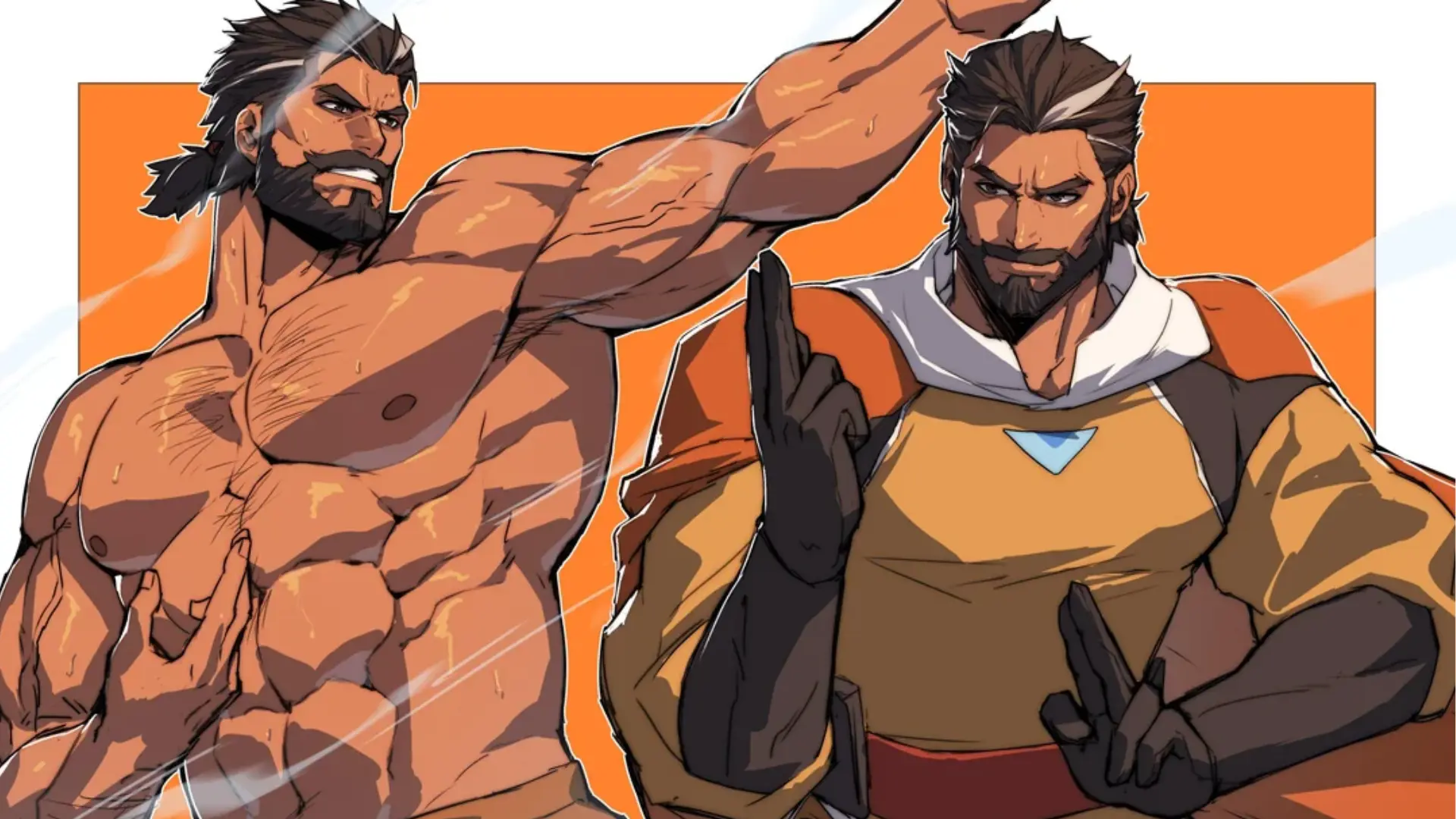
FT. my love for the Human Hurricane himself (he's fine as he'll i won't him)
Divyya Munshi
·
November 15, 2026

I'll Be Honest, I Was Nervous

The Avatar franchise has been going through it. Korra’s ending was devastating in an unearned way. The Netflix live-action adaptation was technically edible, spiritually hollow. The animated movie leak was embarrassing. Content delays stretched on for years. And then the announcement: a new animated series with two nine-year-old twin protagonists, noticeably simpler animation than Korra, set 225 years in the future in a post-apocalyptic wasteland where everyone hates the Avatar.

I was skeptical. I think a lot of us were. The Avatar franchise has earned a lifetime of goodwill, but goodwill has an expiration date, and I wasn't sure how much was left.

I loved it.

Avatar: Seven Havens (or ASH, as I'll be calling it, because I refuse to type that out every time) premiered on Paramount+ in October with all 13 episodes of Book One, and it’s the most exciting thing this franchise has done since they teased Zutara (I’m a Zutara warrior but I admit… 6’4” Aang in the new movie did convince me to come around). 

It's not perfect — the animation is genuinely a step down, and the nine-year-old protagonists take some getting used to — but the writing, the world-building, and the cultural foundation underneath it all are so strong that none of that matters after the first three episodes.

But I'm not here to write a review. I'm here because ASH did something that I've been waiting for this franchise to do for a very, very long time.

First, Let's Talk About Karthik

I need to get this out of the way before I can be remotely professional about anything else: Karthik, the Airbender captain played by Akshay Khanna, is the best new character this franchise has introduced since Tenzin. He's warm, he's strict, he's burdened, he's got a mysterious past, and he has the energy of an Uncle Iroh (post getting buff in prison) who could also ruin your life. The fandom has already dubbed him the "Human Hurricane" and I am personally spinning. My FYP is just an endless scroll of thirst edits. 

But here's the thing — Karthik isn't just a great character. He's a great (and sexy) South Asian character, in a franchise that has always borrowed from South Asian philosophy but has never really looked like it. He exists in a world that, for the first time in Avatar history, visually and narratively centers the culture that the franchise's most foundational concepts come from.

Which brings me to the actual point.

The Chakra Episode

Avatar: The Last Airbender has always been rooted in Asian philosophy. That's not new information. But here's something that I think gets glossed over: the specific philosophical framework that the entire Avatar concept is built on — reincarnation, the cycle of elements, the balance between spiritual and physical worlds — is Vedic. Hindu and Buddhist. The word "avatar" itself is Sanskrit. Guru Pathik, who teaches Aang about the seven chakras in one of the most important episodes of the original series, is named after a Hindi word meaning "traveler."

And yet, for three shows and a movie, the Avatar world has been predominantly coded as East Asian. The architecture is Chinese and Japanese. The martial arts are Chinese. The writing system is Chinese. The music is largely East Asian. Which is beautiful and intentional and well-researched — but it also means that the philosophical backbone of the franchise has been dressed in someone else's clothes for over two decades.

Seven Havens is the first time the franchise actually looks like where its deepest ideas come from.

The Haven of Ellora is named after the Ellora Caves in Maharashtra, India — a UNESCO World Heritage Site famous for its Hindu, Buddhist, and Jain cave temples. The architecture draws from South Asian stone carving traditions. Characters eat kachoris and drink chai alongside naan. The score, composed by the legendary Jeremy Zuckerman, incorporates South Asian vocals and instrumentation in a way that feels woven into the world rather than sprinkled on top. The head writer and co-executive producer is Sehaj Sethi. The voice cast is predominantly Asian, with multiple South Asian actors in lead roles.

And the whole show is structured around Book One: Survival and the root chakra — which, again, is a Vedic concept. The franchise has always known where its ideas came from. It just took twenty years to let that show.

Korra Left the Door Open

One of the things I'm most excited about is how ASH picks up a thread that Korra started but never fully resolved: what happens when technology and modernity collide with humanity's connection to nature and spirituality?

Korra dealt with this through industrialization, Republic City's growing disconnect from bending traditions, and the literal opening of spirit portals that forced the physical and spiritual worlds to coexist. But Korra ended before we could really see the long-term consequences of that collision. ASH is set in the aftermath — 225 years later, after a cataclysm that people blame on the Avatar, in a world where humanity has retreated into seven fortified havens and benders are conscripted into military service.

That's such a rich setup. The idea that spiritual power would eventually be militarized, that the Avatar would go from savior to scapegoat, that humanity's response to a crisis of connection would be to build walls and draft soldiers — it feels uncomfortably relevant. And it gives the franchise space to do what it's always done best: use fantasy to talk about real things.

The Mysteries Are Going to Keep Me Up at Night

I'm keeping this short because I genuinely don't want to spoil anything, but: the twin Avatar thing raises so many questions. How does a split Avatar work? Is there a "dark" Avatar situation happening here? What actually happened to Korra's connection to the Avatar spirit — because Korra losing her link to past Avatars was already one of the most devastating moments in the franchise, and the idea that the cycle might be fractured in a completely new way is both terrifying and fascinating.

There's also the question of whether ASH will return to one of Avatar's original and best themes: that there is good and bad in all of us. That balance isn't about eliminating darkness but understanding it. Pavi and Nisha as twins — one raised in isolation, one raised in the system — feel like they're being set up to embody that duality. I have a lot of feelings about this that I will save for when I've had time to rewatch the whole season and take notes like a normal person.

Also — and I cannot stress this enough — there are cat-monkeys named Geet and Ruhi and they are perfect and I would die for them.

Watch This Show!!!

Avatar: Seven Havens has already been renewed through Book Four. The franchise is in good hands — hands that, for the first time, actually reflect the cultures that built its foundation. If you've been burned by the live-action stuff and you're hesitant, I get it. Watch it anyway.

It's the real thing.

Avatar Seven Havens: Chakras, Cataclysms, and Culture

Divyya Munshi
·
November 15, 2026

FT. my love for the Human Hurricane himself (he's fine as he'll i won't him)

I'll Be Honest, I Was Nervous

The Avatar franchise has been going through it. Korra’s ending was devastating in an unearned way. The Netflix live-action adaptation was technically edible, spiritually hollow. The animated movie leak was embarrassing. Content delays stretched on for years. And then the announcement: a new animated series with two nine-year-old twin protagonists, noticeably simpler animation than Korra, set 225 years in the future in a post-apocalyptic wasteland where everyone hates the Avatar.

I was skeptical. I think a lot of us were. The Avatar franchise has earned a lifetime of goodwill, but goodwill has an expiration date, and I wasn't sure how much was left.

I loved it.

Avatar: Seven Havens (or ASH, as I'll be calling it, because I refuse to type that out every time) premiered on Paramount+ in October with all 13 episodes of Book One, and it’s the most exciting thing this franchise has done since they teased Zutara (I’m a Zutara warrior but I admit… 6’4” Aang in the new movie did convince me to come around). 

It's not perfect — the animation is genuinely a step down, and the nine-year-old protagonists take some getting used to — but the writing, the world-building, and the cultural foundation underneath it all are so strong that none of that matters after the first three episodes.

But I'm not here to write a review. I'm here because ASH did something that I've been waiting for this franchise to do for a very, very long time.

First, Let's Talk About Karthik

I need to get this out of the way before I can be remotely professional about anything else: Karthik, the Airbender captain played by Akshay Khanna, is the best new character this franchise has introduced since Tenzin. He's warm, he's strict, he's burdened, he's got a mysterious past, and he has the energy of an Uncle Iroh (post getting buff in prison) who could also ruin your life. The fandom has already dubbed him the "Human Hurricane" and I am personally spinning. My FYP is just an endless scroll of thirst edits. 

But here's the thing — Karthik isn't just a great character. He's a great (and sexy) South Asian character, in a franchise that has always borrowed from South Asian philosophy but has never really looked like it. He exists in a world that, for the first time in Avatar history, visually and narratively centers the culture that the franchise's most foundational concepts come from.

Which brings me to the actual point.

The Chakra Episode

Avatar: The Last Airbender has always been rooted in Asian philosophy. That's not new information. But here's something that I think gets glossed over: the specific philosophical framework that the entire Avatar concept is built on — reincarnation, the cycle of elements, the balance between spiritual and physical worlds — is Vedic. Hindu and Buddhist. The word "avatar" itself is Sanskrit. Guru Pathik, who teaches Aang about the seven chakras in one of the most important episodes of the original series, is named after a Hindi word meaning "traveler."

And yet, for three shows and a movie, the Avatar world has been predominantly coded as East Asian. The architecture is Chinese and Japanese. The martial arts are Chinese. The writing system is Chinese. The music is largely East Asian. Which is beautiful and intentional and well-researched — but it also means that the philosophical backbone of the franchise has been dressed in someone else's clothes for over two decades.

Seven Havens is the first time the franchise actually looks like where its deepest ideas come from.

The Haven of Ellora is named after the Ellora Caves in Maharashtra, India — a UNESCO World Heritage Site famous for its Hindu, Buddhist, and Jain cave temples. The architecture draws from South Asian stone carving traditions. Characters eat kachoris and drink chai alongside naan. The score, composed by the legendary Jeremy Zuckerman, incorporates South Asian vocals and instrumentation in a way that feels woven into the world rather than sprinkled on top. The head writer and co-executive producer is Sehaj Sethi. The voice cast is predominantly Asian, with multiple South Asian actors in lead roles.

And the whole show is structured around Book One: Survival and the root chakra — which, again, is a Vedic concept. The franchise has always known where its ideas came from. It just took twenty years to let that show.

Korra Left the Door Open

One of the things I'm most excited about is how ASH picks up a thread that Korra started but never fully resolved: what happens when technology and modernity collide with humanity's connection to nature and spirituality?

Korra dealt with this through industrialization, Republic City's growing disconnect from bending traditions, and the literal opening of spirit portals that forced the physical and spiritual worlds to coexist. But Korra ended before we could really see the long-term consequences of that collision. ASH is set in the aftermath — 225 years later, after a cataclysm that people blame on the Avatar, in a world where humanity has retreated into seven fortified havens and benders are conscripted into military service.

That's such a rich setup. The idea that spiritual power would eventually be militarized, that the Avatar would go from savior to scapegoat, that humanity's response to a crisis of connection would be to build walls and draft soldiers — it feels uncomfortably relevant. And it gives the franchise space to do what it's always done best: use fantasy to talk about real things.

The Mysteries Are Going to Keep Me Up at Night

I'm keeping this short because I genuinely don't want to spoil anything, but: the twin Avatar thing raises so many questions. How does a split Avatar work? Is there a "dark" Avatar situation happening here? What actually happened to Korra's connection to the Avatar spirit — because Korra losing her link to past Avatars was already one of the most devastating moments in the franchise, and the idea that the cycle might be fractured in a completely new way is both terrifying and fascinating.

There's also the question of whether ASH will return to one of Avatar's original and best themes: that there is good and bad in all of us. That balance isn't about eliminating darkness but understanding it. Pavi and Nisha as twins — one raised in isolation, one raised in the system — feel like they're being set up to embody that duality. I have a lot of feelings about this that I will save for when I've had time to rewatch the whole season and take notes like a normal person.

Also — and I cannot stress this enough — there are cat-monkeys named Geet and Ruhi and they are perfect and I would die for them.

Watch This Show!!!

Avatar: Seven Havens has already been renewed through Book Four. The franchise is in good hands — hands that, for the first time, actually reflect the cultures that built its foundation. If you've been burned by the live-action stuff and you're hesitant, I get it. Watch it anyway.

It's the real thing.

See More by

Divyya Munshi

→