.png)
.png)
.png)
.png)
The nationwide revolt against surveillance
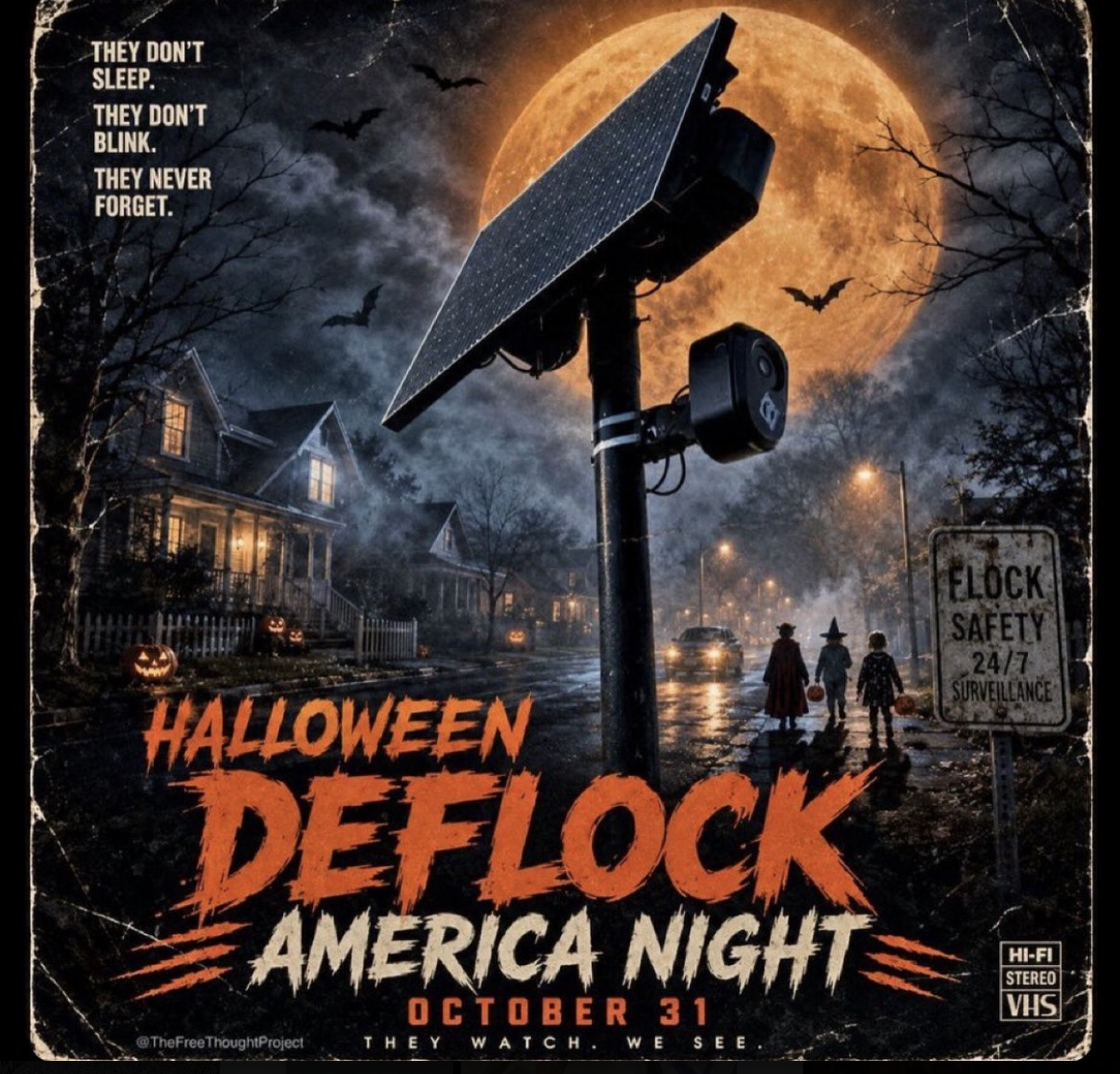
We’ve all heard some version of “They already have all your information anyway” when talking to someone about why they should take their privacy seriously. But this summer has seen Americans of all backgrounds take action against the surveillance tech company, Flock. Flock Safety is a surveillance company that operates license plate readers, mass surveillance tools, and other systems and sells them to city governments and police departments. It’s easy to overlook the small actions that lead to something bigger, but we are seeing what happens when a series of collective actions is taken by people of all walks of life who feel that their privacy is being taken away by systems that they never agreed to.
We know how to find our dogs
Resistance to overt surveillance has been growing this year as seen by the backlash against the Ring camera Super Bowl commercial showcasing their Search Party feature that would allow other people to access personal Ring cameras under the guise of “finding missing pets”. Opposition has grown stronger this past summer as people have taken to the streets to protest against Flock cameras in their neighborhoods tracking them as they drive on roads, visit their friends and leave shopping centers.
These companies don’t care about us past how much money they can extract from us during an already trying time. But we’re seeing the fight extend past the normal privacy-focused citizens and into the public sphere and wins are starting to take shape as some police departments like
the LAPD are canceling or letting their Flock contracts expire due to privacy and public safety concerns as police officers have been found to abuse the service to stalk citizens like ex-partners. According to Futurism, Flock has not published numbers directly but at least 54
cities across the country have chosen not to renew their contracts with the company.
What’s the media think?
Multiple news outlets across the country have written extensively about the reaction to the implementation of the cameras in the community. Richmond in particular has been vocal on social media and in person at city hall hearings about their dissatisfaction with the implementation of Flock surveillance around the city. Protesters have also been vocal on how to disrupt the operation of the cameras as well as promoting websites that map the Flock cameras in your neighborhood. Others have made it their mission to camp out in front of a camera every day and hold up a sign with a protest message on it while also blocking their ability to read the plates of the drivers passing by. And some people are taking action into their own hands and are cutting the cameras down completely, with over 190 cameras being destroyed at the time of writing. Together, the videos showcasing these demonstrations have gotten millions of views across social media and driven town hall meeting turnouts across the country as criticism towards the cameras is coming from all sides of the political spectrum. Even Republican governor Ron DeSantis of Florida has decried the cameras recently saying “I think these cameras, the license plate readers — I think it’s out of control. When I see like a police officer using this to track, like, an ex-girlfriend, I’m like, you know, what the hell is going on with this?”
Do I hate advertising?
Personally, this is important as it isn’t about advertising a product or selling someone something they don’t need. We live in a consumerist world, a world that believes that you can sell any invasive tech if you cloak it in its ability to find missing children, pets or reconnect you with someone you didn’t care to reconnect with in the first place. But society has begun to push back against this messaging and it shows that the consumer is someone to be considered and respected for more than their wallet or attention. The best marketers will respect the consumer
while selling their product as one isn’t diametrically opposed to the other. As a strategist it’s important to know what’s moving consumers positive or negative. The current consumer sentiment is that people don’t feel heard or respected and we’re seeing the consequences of what happens when a group of people is pushed too far. I know the nature of this industry is to mostly sell things that people don’t need and that the biggest marketing budgets often belong to the companies that do the most harm. I’m not foolish enough to think I’ll never be involved in that as I would love to market a tequila brand. But it is heartening to see that no matter how hard you market and strategize, you can’t fool a fed-up populace and in a revolt, they will tell you exactly what they need.