


Skydance is here, and the sky is falling in the entertainment world:

The introduction of the massive production studio conglomerate is signaling a bleak era for modern entertainment media.
Isaiah "Zeke" Anderson
·
October 15, 2026

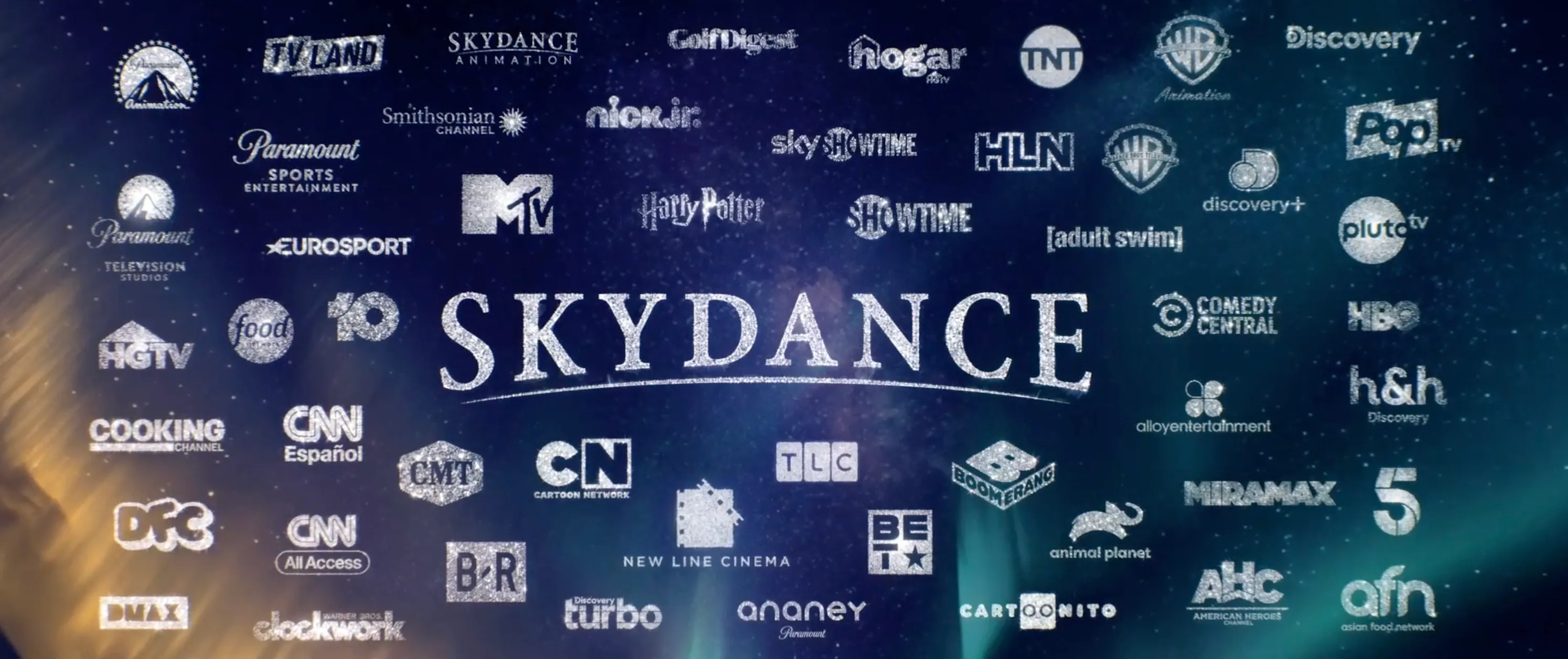
The $ 111 B merger between Paramount, Skydance & Warner Bros. Discovery officially closed on October 6, 2026.

The conversations surrounding this deal reveal a dread that has been hanging over the industry for years. 

‍

It's looking like a rough future ahead for creatives.

With this merger, creators in TV and film are faced with a reality that, to get any major media ideas executed, they have to submit to the evil studio monopoly.  One that has a record of limiting creative expression and a constant release chain of content from dated IP’s that have corporate backing.   

The responses to this deal all have a tone of disdain across generations and niches. They are all worried to see the franchises they’ve fanned over fall subject to the machine that takes the soul out of stories and cuts resources for the creators who need them the most. 
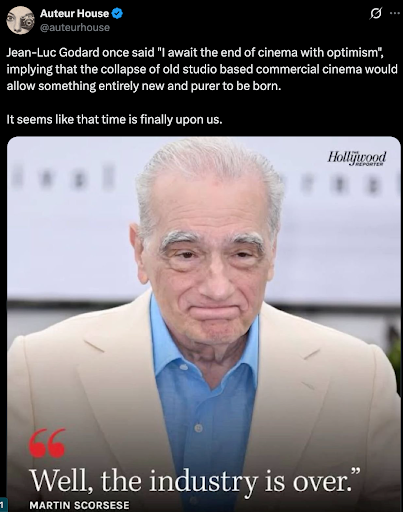
The optics of this deal just signal all the wrong things.

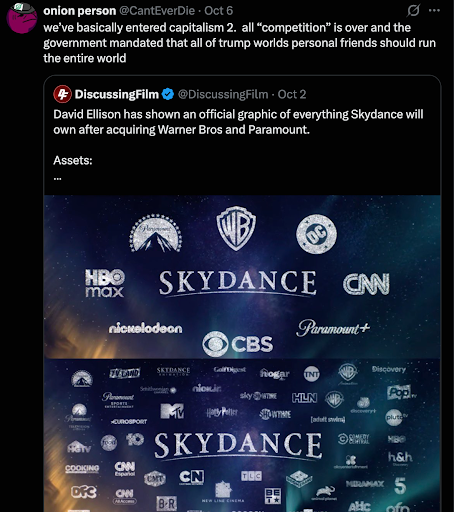
Looking at this as an early Gen-Z kid raised on entertainment media, it’s disheartening. In no world would it make sense for Cartoon Network and Nickelodeon to be a part of the same company.

Dozens of legacy brands that have immeasurable impact on pop culture have all been lumped together with little regard for the collective interests of consumers.  Another thing missing from this merger is a clear vision for improving the work or infrastructure of this industry. 

From a business perspective, it's as big a reflection point for the entertainment industry as ever.

While the scale of the deal appears to create a perfect environment for wealthy studio heads to dump millions on established franchises and figures who are in the good graces of the executive class. The pushback is already showing heavy repercussions on the company.

At the center of it all, the prevailing sentiment is that people just don’t want slop.

Slop was a word that stuck out to me from looking at the conversations surrounding this deal. It's indicative of what people are worried most about coming from the merger. That this deal is ushering in a timeline where the majority of studio releases will be regurgitations of the same stories with minimal creative liberty and an end product that will never resonate with audiences to the extent that the industry needs to thrive. 

‍

Skydance is here, and the sky is falling in the entertainment world:

Isaiah "Zeke" Anderson
·
October 15, 2026

The introduction of the massive production studio conglomerate is signaling a bleak era for modern entertainment media.

The $ 111 B merger between Paramount, Skydance & Warner Bros. Discovery officially closed on October 6, 2026.

The conversations surrounding this deal reveal a dread that has been hanging over the industry for years. 

‍

It's looking like a rough future ahead for creatives.

With this merger, creators in TV and film are faced with a reality that, to get any major media ideas executed, they have to submit to the evil studio monopoly.  One that has a record of limiting creative expression and a constant release chain of content from dated IP’s that have corporate backing.   

The responses to this deal all have a tone of disdain across generations and niches. They are all worried to see the franchises they’ve fanned over fall subject to the machine that takes the soul out of stories and cuts resources for the creators who need them the most. 
The optics of this deal just signal all the wrong things.

Looking at this as an early Gen-Z kid raised on entertainment media, it’s disheartening. In no world would it make sense for Cartoon Network and Nickelodeon to be a part of the same company.

Dozens of legacy brands that have immeasurable impact on pop culture have all been lumped together with little regard for the collective interests of consumers.  Another thing missing from this merger is a clear vision for improving the work or infrastructure of this industry. 
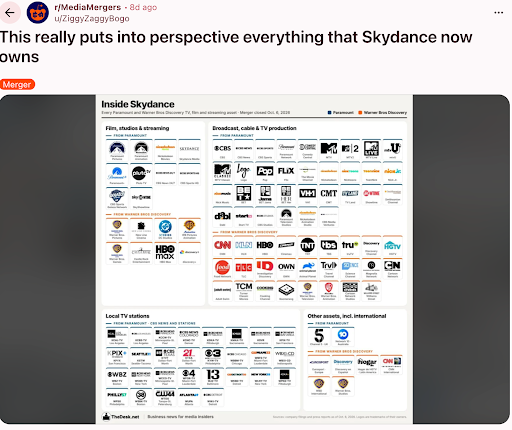
From a business perspective, it's as big a reflection point for the entertainment industry as ever.

While the scale of the deal appears to create a perfect environment for wealthy studio heads to dump millions on established franchises and figures who are in the good graces of the executive class. The pushback is already showing heavy repercussions on the company.

At the center of it all, the prevailing sentiment is that people just don’t want slop.

Slop was a word that stuck out to me from looking at the conversations surrounding this deal. It's indicative of what people are worried most about coming from the merger. That this deal is ushering in a timeline where the majority of studio releases will be regurgitations of the same stories with minimal creative liberty and an end product that will never resonate with audiences to the extent that the industry needs to thrive. 

‍

See More by

Isaiah "Zeke" Anderson

→